Effects & Post-process
The following items on this page are a selection of effects tasks
I completed while working at Surgical Science / Mimic. In addition to the examples shown, I implemented many
other post-effects and systems for projected decals, transparent "ghost" instruments to guide the user, and a
highlighting system that allowed any object in the scene to be highlighted.
Click any thumbnail image to see the full-screen image or video.
Texture-space Decals
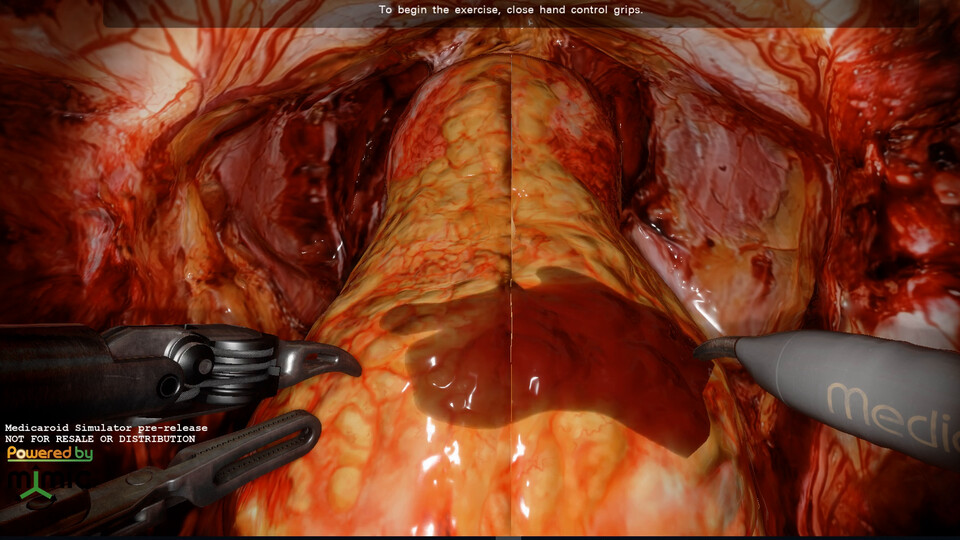
The following video is an example of a surface-space blood rendering effect applied to a deformable and cuttable tetrahedral mesh. The mesh is simulated using the finite volume method (FVM). The blood is rendered using animated texture-space decals.
Vessel Cauterization Effects
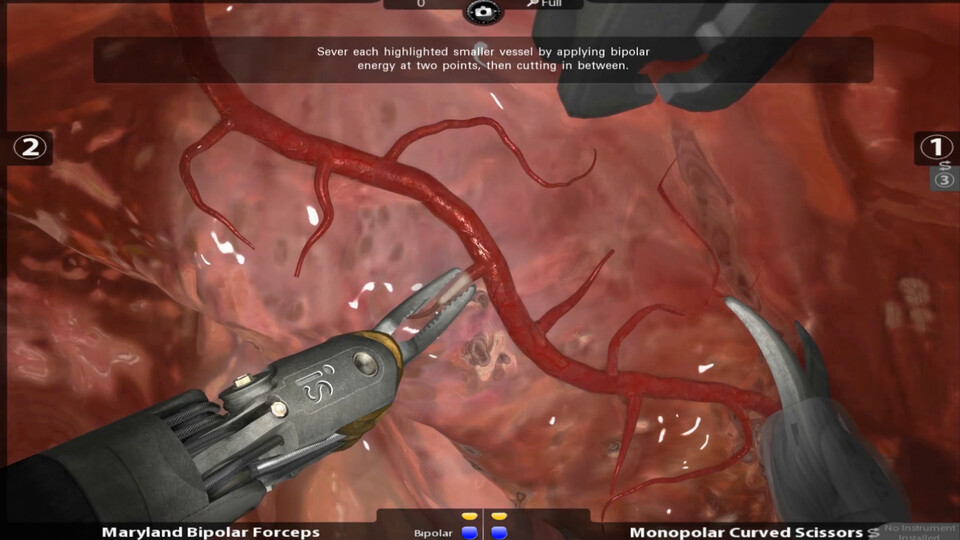
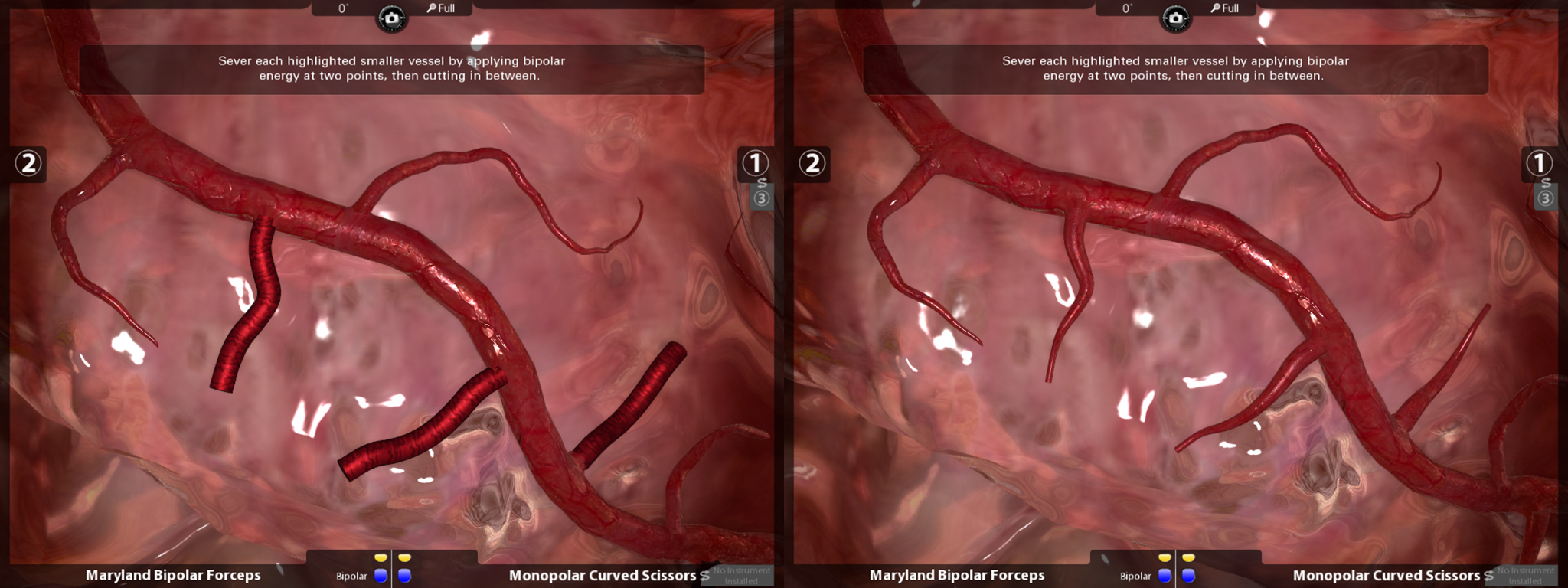
When cauterization energy is applied to living tissue, its color first blanches to white then darkens to black with further application of energy. The tissue contracts and shrinks as water is removed and evaporated. The following images and video demonstrate this effect. The small vessels are procedurally generated, deformable, cuttable, and will bleed when damaged. I've also included a "before-and-after" image showing my enhancements to the look of the small procedural vessels.

Bloom
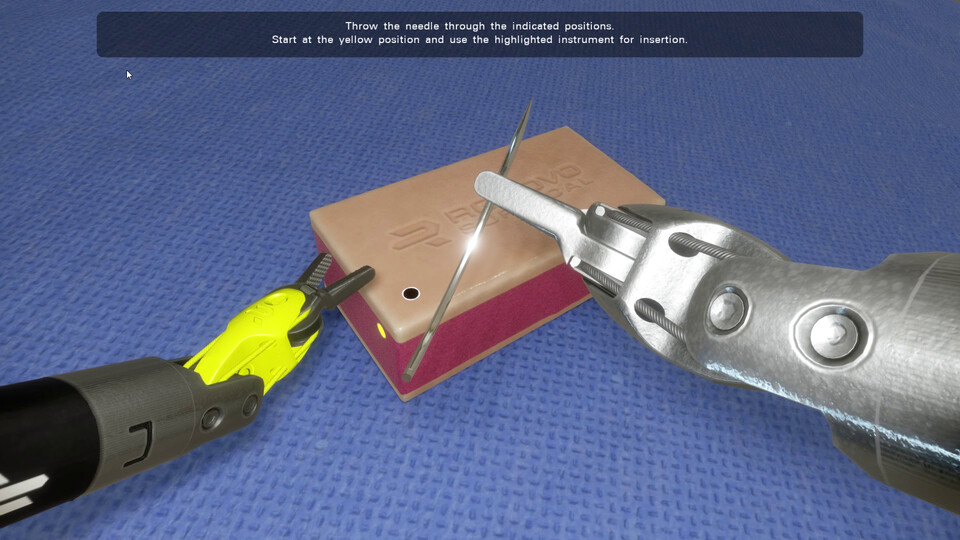
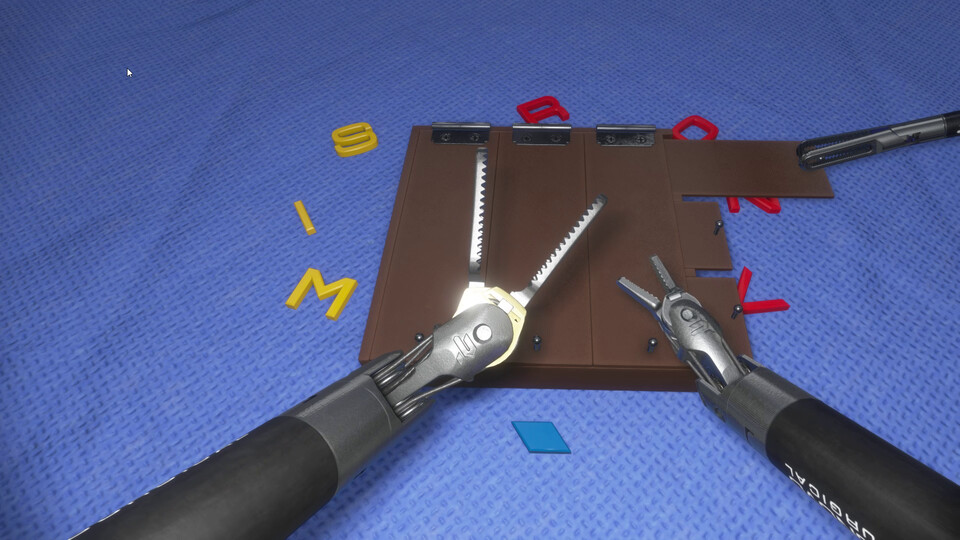
One of the first post-effects I created at Mimic was the ever-popular Bloom. My first implementation was based on the rthdribl demo by Masaki Kawase (shown in the last video in the following row). After the conversion to physically-based rendering, I implemented a new HDR bloom (examples shown in the first two videos).
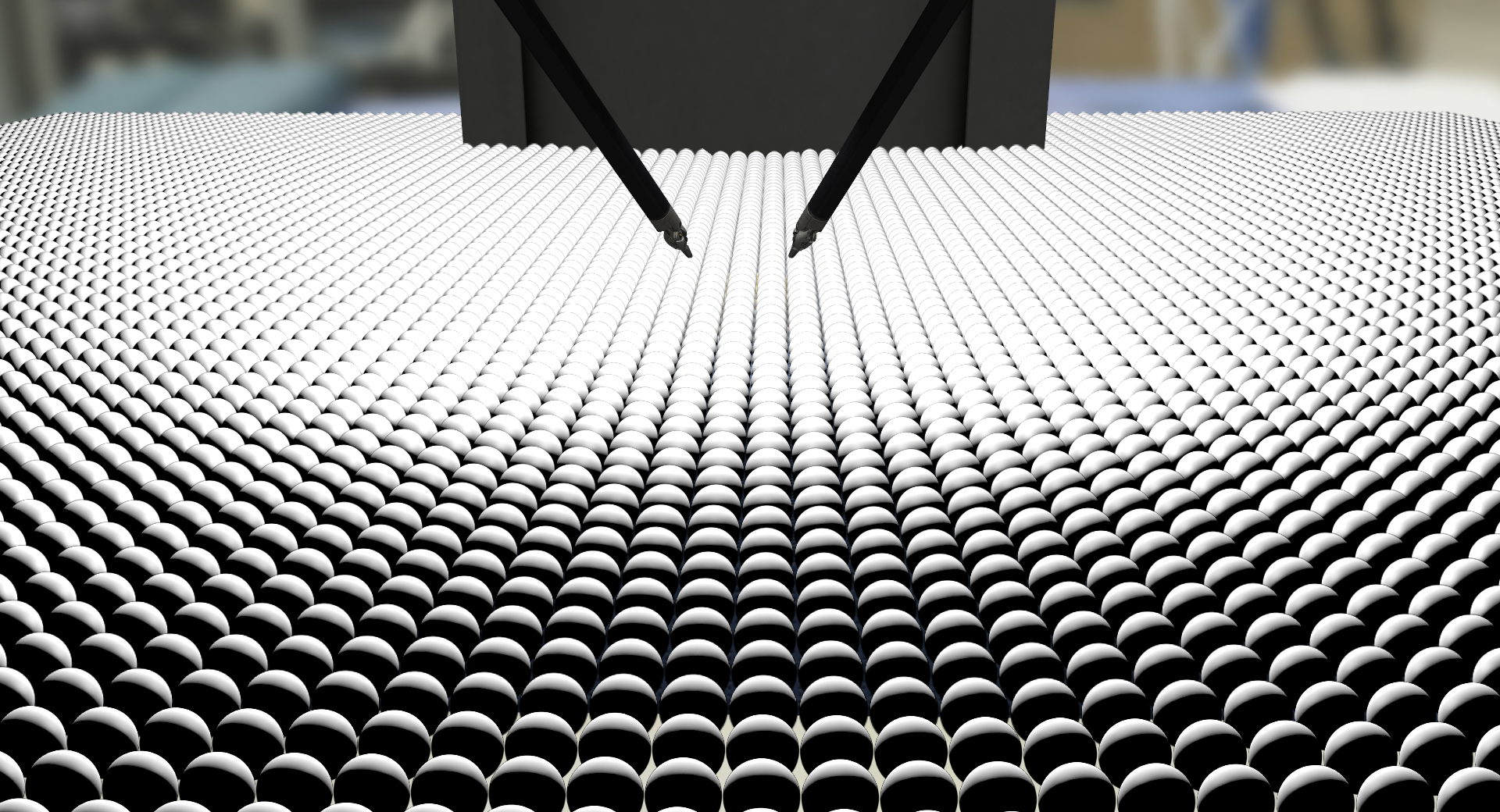
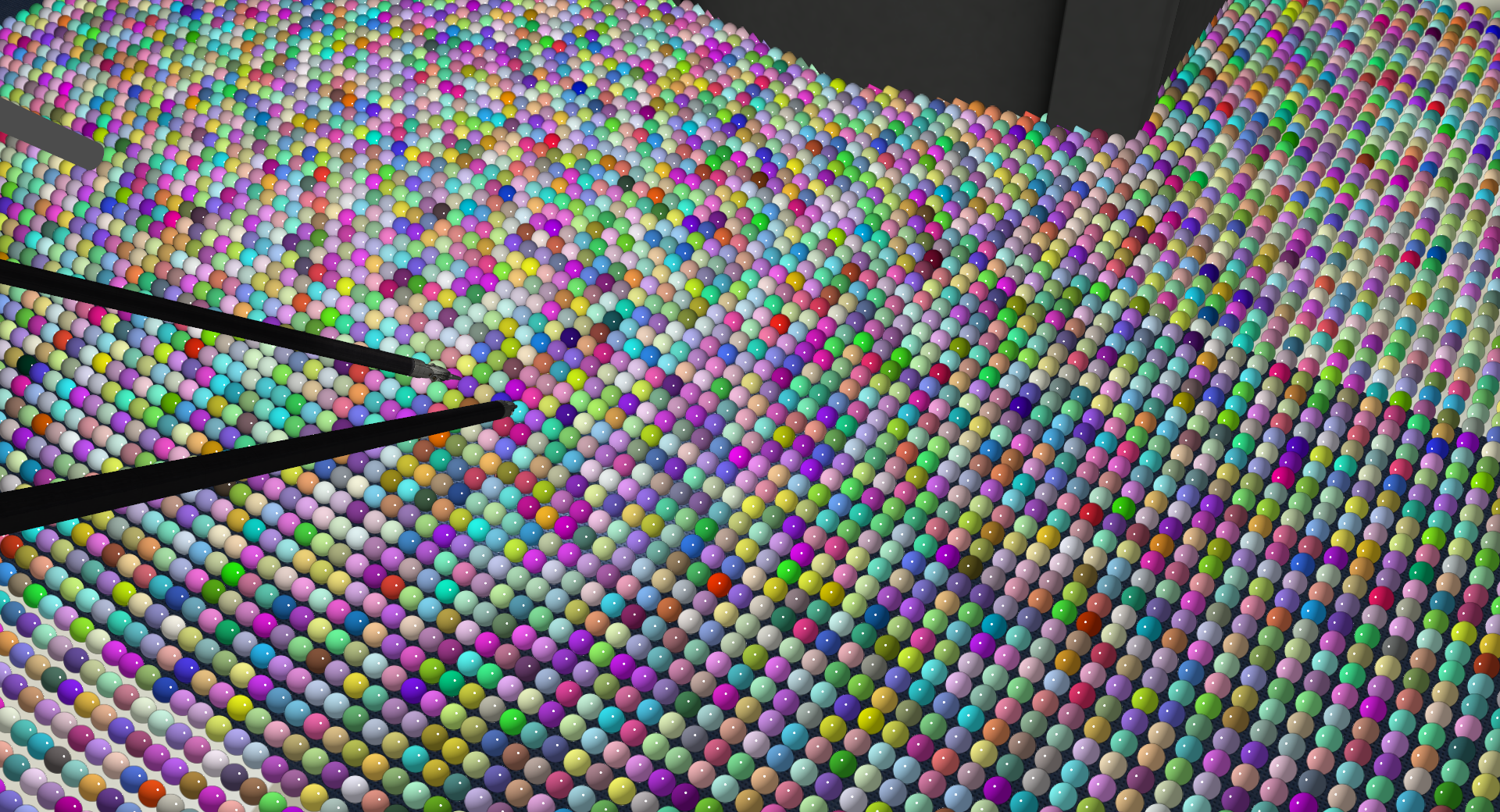
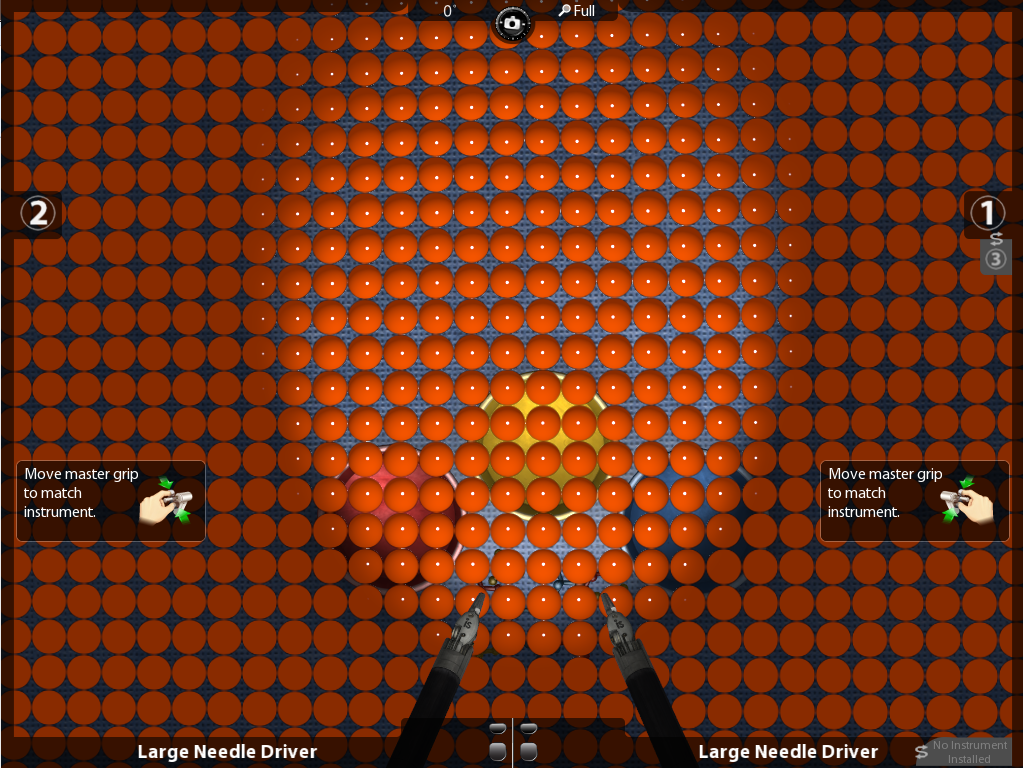
Lit Particles
The following set of images show my development of lit particles. The last image demonstrates that the apparent spherical shape of the particles is achieved entirely through lighting and shading. Notice how the unlit particles outside of the spotlight area appear flat.